Slightly above the Miami Gardens average
Dolphin Center South, Miami Gardens
Updated
Dolphin Center South is a suburban neighborhood in Miami Gardens characterized by its uniform tract housing and reliable pedestrian infrastructure. The area offers a steady local rhythm with a blend of residential spaces and nearby retail hubs, making it a functional choice for those seeking a walkable suburban environment.

What’s life here really like?
A first look at Dolphin Center South, Miami Gardens
Dolphin Center South population: 1,007 residents
Above the Miami Gardens average
Near the Miami Gardens average
See what’s around a specific address.
Explore the map with iHuus AI Guide. Ask about schools, noise, and the surroundings at an address, then compare places based on what matters to you.
By continuing, you agree to our Terms and Privacy Policy.
What to know about Dolphin Center South, Miami Gardens
Life in Dolphin Center South, Miami Gardens
Dolphin Center South serves as a primarily residential pocket within Miami Gardens, defined by its consistent architectural style of tract housing and mid-range apartment complexes. The neighborhood maintains a steady local rhythm, benefiting from proximity to local universities and parks that provide pockets of activity. Residents enjoy a higher level of walkability than much of the surrounding city, as the area features a network of sidewalks and safe crossings that support daily pedestrian movement.
While the area offers a convenient suburban lifestyle, prospective residents should consider several trade-offs. The neighborhood experiences moderate traffic noise and relies heavily on private yards due to a lack of expansive public green space. While heavy industrial activity is absent, the presence of nearby retail warehouses and a known Superfund site are factors for consideration regarding environmental quality. The community is served by the Dade County School District, which offers strong academic pathways through magnet programs despite facing broader budgetary and enrollment challenges.
13 neighborhood qualities in Dolphin Center South, Miami Gardens
Privacy Index
Residential spacing varies between closely packed homes and standard suburban lots, offering a level of privacy that is roughly consistent with the Miami Gardens average. Some areas feature high-density housing where structures are positioned quite close to one another.
Ranked #27 in Miami Gardens, FLWalkability
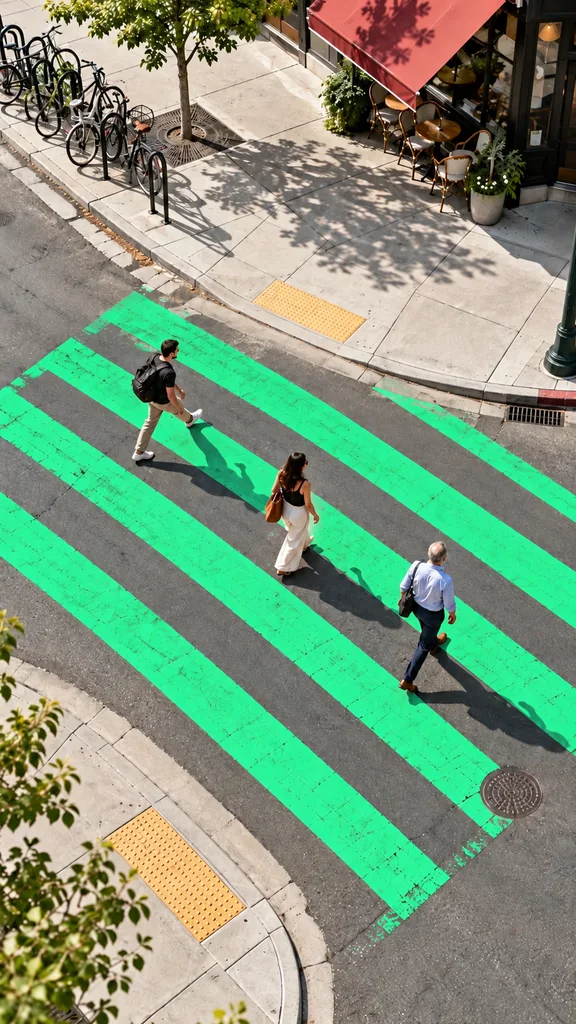
Sidewalks and marked crosswalks are widely available throughout the residential blocks, making much of the area more walkable than the Miami Gardens average. Safe crossings and low-traffic loops support steady pedestrian movement near most streets.
Ranked #17 in Miami Gardens, FLVisual Appeal
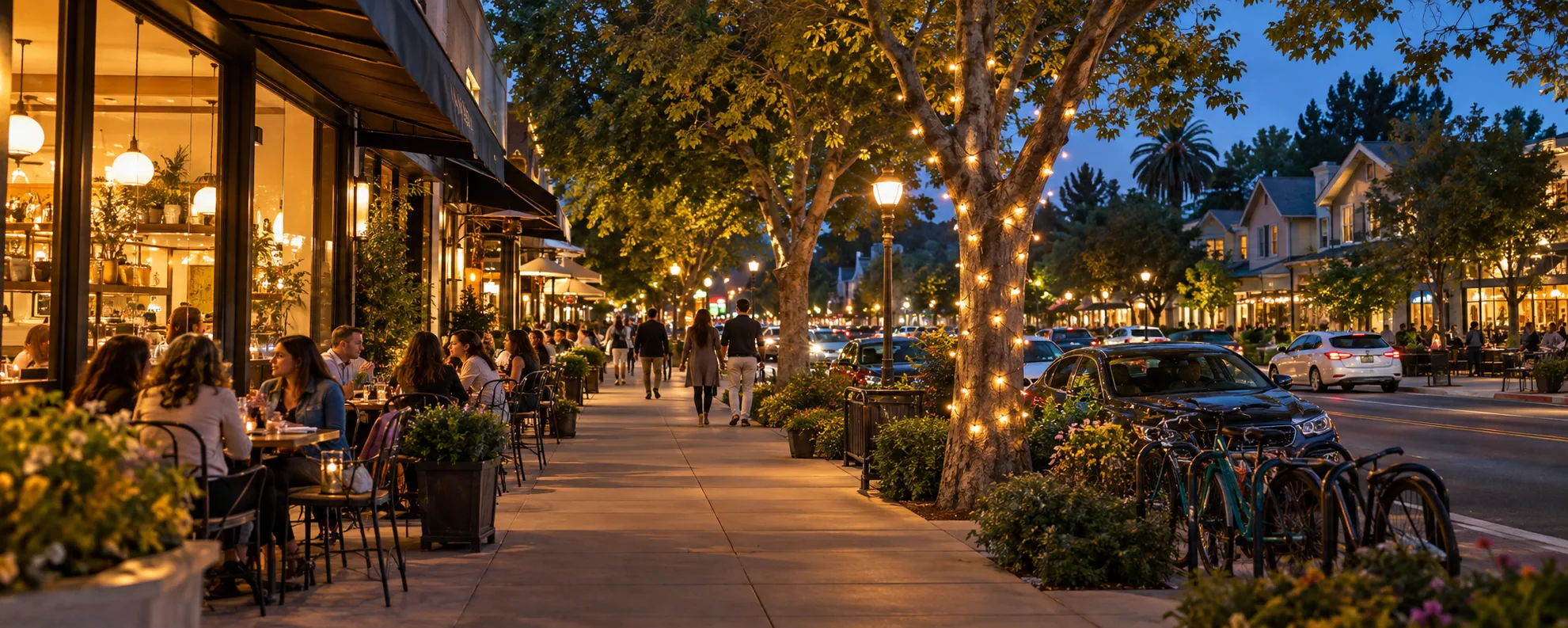
Standard tract housing and mid-range apartment complexes define the local landscape. The area features consistent architectural styles with small yards, matching the city average for visual variety.
Ranked #1 in Miami Gardens, FLDog Friendliness
Public park access and wide green verges are relatively sparse, as most residential areas rely primarily on private fenced yards. According to iHuus data, this level of accessibility is roughly in line with the city average.
Ranked #18 in Miami Gardens, FLUrban-Rural Index
Residential pockets feature a blend of single-family homes and apartment clusters alongside large retail plazas. This landscape presents a suburban character that aligns with the city average.
Ranked #1 in Miami Gardens, FLNeighborhood Vibe
Vibrant pockets of activity near local universities and parks provide more energy than the typical Miami Gardens area. Residents can access a diverse mix of dining, libraries, and fitness centers within a balanced suburban environment.
Ranked #5 in Miami Gardens, FLAcoustic Comfort
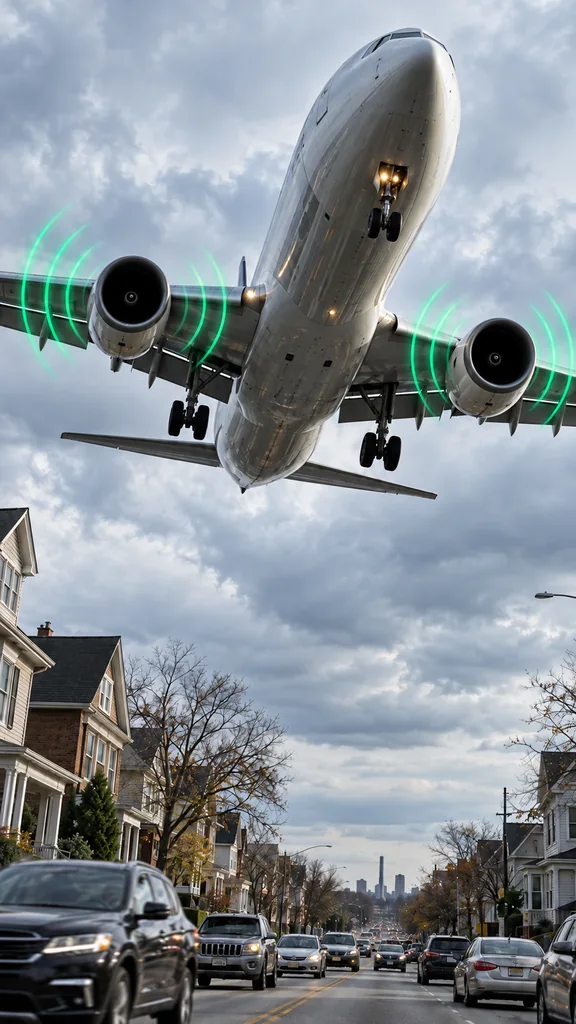
Steady traffic sounds from nearby busy streets are present, though the area remains quieter than much of the surrounding city.
Ranked #12 in Miami Gardens, FLAir Quality
Air quality in this area fluctuates between acceptable and unhealthy levels, presenting occasional concerns for sensitive groups. This level of-air quality is consistent with the city average according to iHuus data.
Ranked #1 in Miami Gardens, FLIndustrial Proximity
Primarily residential in character, this area experiences much less industrial activity than the city average. While heavy industry is absent, residents should note nearby large retail warehouses and a proximal Superfund site that may impact local soil or groundwater.
Ranked #11 in Miami Gardens, FLHealth Insurance Coverage
Health insurance coverage levels in this area are consistent with the average found throughout Miami Gardens. According to iHuus data, fewer than half of the residents in this neighborhood have access to health insurance.
Ranked #16 in Miami Gardens, FLIdeological Lean
Voting patterns and census indicators reveal a deeply liberal political leaning that is more pronounced than the Miami Gardens average, according to iHuus data.
Ranked #9 in Miami Gardens, FLPopulation Age Profile
Residents live alongside a balanced mix of young adults, families, and older populations. This demographic distribution is consistent with the city average according to iHuus data.
Ranked #18 in Miami Gardens, FLFlood Safety
Flood safety levels are higher than the Miami Gardens average, though the area remains under a moderate risk level because official FEMA studies are currently incomplete. Residents should remain aware of potential vulnerabilities as noted by iHuus data.
Ranked #10 in Miami Gardens, FL525 school reports serving Dolphin Center South, Miami Gardens
Dade County School District
District rating: 5/10District grades K–12
Prospective homebuyers looking at Miami-Dade County Public Schools will find a Mixed/Transition district characterized by outstanding flagship programs but challenged by shifting demographics. Under the steady guidance of Superintendent Dr. Jose Dotres, who is set to retire in early 2027, the district has achieved a record-high 93.1% graduation rate and six consecutive years with an overall state A grade. Flagship institutions like the School for Advanced Studies and MAST Academy provide elite pathways for high-achieving students. However, the district is navigating a complex transition as the school board conducts an active search for its next leader. Financially, the district benefits from strong community backing, evidenced by the overwhelming passage of a $400 million property tax referendum to support teacher salaries and school safety. Despite this local support, a sharp enrollment decline of over 13,000 students in the 2025-2026 school year has triggered a $50 million budget deficit. This enrollment loss, driven by high living costs and falling birth rates, presents a long-term risk. Additionally, home buyers should note a pronounced achievement gap between the district's premier magnet programs and struggling neighborhood schools.
- Jorge Mas Canosa Middle School
- George Washington Carver Middle School
- Cutler Bay Middle
- Highland Oaks Middle School
- Thomas Jefferson Biscayne Gardens K-8 Academy
- Kinloch Park Middle School
- Madison Middle School
- Horace Mann Middle School
- Howard D. Mcmillan Middle School
- Alternative Outreach ProgramNot rated
- South Dade Middle School
- Westland Hialeah Senior High School
- Lillie C. Evans K-8 Center
- Everglades K-8 Center
- Florida City Elementary School
- Gloria Floyd Elementary School
- Fulford Elementary School
- Miami Senior High School
- Brucie Ball Educational CenterNot rated
- Instructional Center System WideNot rated
- Oliver Hoover Elementary School
- Robert Morgan Educational Center And Technical CollegeNot rated
- Bent Tree Elementary School
- Neva King Cooper Educational CenterNot rated
- His HouseNot rated
- Medical Academy For Science And Technology (M.A.S.T.) @ Hom
- Sylvania Heights Elementary School
- Tropical Elementary School
- Twin Lakes Elementary School
- Village Green Elementary School
- Vineland K-8 Center
- Acceleration Academies Llc HomesteadNot rated
- Kendall Greens High SchoolNot rated
- Brightview Preparatory Academy
- Mater Lakes Collegiate Academy Middle School
- Mater Brickell Academy Middle
- Mater Academy Kiwanis
- Miami Tech At Mater Innovation Academy
- Somerset College Preparatory Academy South High School
- Pinecrest North Preparatory High School
- Doral Academy North Charter ElementaryNot rated
- True North Classical Academy
- Carrie P. Meek/Westview K-8 Center
- Whispering Pines Elementary School
- Miami Lakes Middle School
- Norland Middle School
- North Dade Middle School
- Palm Springs Middle School
- Richmond Heights Middle School
- Shenandoah Middle School
- Southwood Middle School
- W. R. Thomas Middle School
- Coral Gables Senior High School
- Hialeah-Miami Lakes Senior High
- Miami Southridge Senior High
- Jan Mann Educational CenterNot rated
- Cope Center NorthNot rated
- Phyllis R. Miller Elementary School
- School For Advanced Studies - South
- Devon Aire K-8 Center
- Hialeah Gardens Elementary School
- Jack David Gordon Elementary School
- Lindsey Hopkins Technical CollegeNot rated
- D.A. Dorsey Technical CollegeNot rated
- Calusa Elementary School
- Joe Hall Elementary School
- Juvenile Justice Center Alt EdNot rated
- Joella C. Good Elementary School
- Ruben Dario Middle School
- School For Advanced Studies North
- Marjory Stoneman Douglas Elem
- Design & Architecture Senior High
- Bowman Ashe/Doolin K-8 Academy
- Ernest R. Graham K-8 Academy
- Miami Beach South Pointe Elementary School
- Mast Academy
- Teenage Parent ProgramNot rated
- Dr. Marvin Dunn Academy For Community Education.Not rated
- Ruth Owens Kruse Education CenterNot rated
- Maya Angelou Elementary School
- William H. Lehman Elementary School
- Dante B. Fascell Elementary School
- Zora Neale Hurston Elementary School
- Wesley Matthews Elementary School
- Charles David Wyche Jr Elementary School
- Paul W. Bell Middle School
- Eneida M. Hartner Elementary School
- Coral Reef Montessori Academy Charter School
- Mater Academy
- Linda Lentin K-8 Center
- Christina M. Eve Elementary School
- Jose De Diego Middle School
- School For Advanced Studies-Wolfson
- Booker T. Washington Senior High
- Eugenia B. Thomas K-8 Center
- Pinecrest Preparatory Academy
- Doral Academy Charter High School
- Bob Graham Education Center
- Archimedean Academy
- Downtown Miami Charter School
- Mater Academy Charter High School
- Miami Community Charter School
- Somerset Academy
- Somerset Academy Charter High School
- International Studies Charter High School
- Aventura City Of Excellence School
- Youth Co-Op Charter School
- Ada Merritt K-8 Center
- Keys Gate Charter School
- Pinecrest Academy Charter Middle School
- Lamar Louise Curry Middle School
- John A. Ferguson Senior High
- Dr. Carlos J. Finlay Elementary
- Lawton Chiles Middle School
- Felix Varela Senior High School
- Summerville Advantage Academy
- David Lawrence Jr. K-8 Center
- Ronald W. Reagan/Doral Senior High School
- The Charter School At Waterstone
- Early Beginnings AcademyNot rated
- Archimedean Middle Conservatory
- Renaissance Middle Charter School
- Doral Performing Arts & Entertainment Academy
- Mater Performing Arts & Entertainment Academy
- Pinecrest Academy (South Campus)
- Norma Butler Bossard Elementary School
- Dr. Manuel C. Barreiro Elementary School
- Young Womens Preparatory Academy
- Mater Academy Lakes High School
- District Instructional Center (Dic)Not rated
- Miami-Dade Virtual High School Franchise
- Miami Community Charter Middle School
- Ben Gamla Charter School
- Turner/Guilford/KnightNot rated
- BoystownNot rated
- School For Advanced Studies Homestead
- Mandarin Lakes K-8 Academy
- Somerset Academy Charter Middle School (South Homestead)
- Somerset Academy Silver Palms
- Pinecrest Preparatory Academy Charter High School
- Mater International Preparatory
- Mater Academy Of International Studies
- Dr. Rolando Espinosa K-8 Center
- Keys Gate Charter High School
- Norman S. Edelcup/Sunny Isles Beach K-8
- Lincoln-Marti Charter School (Little Havana Campus)
- South Florida Autism Charter School IncNot rated
- International Studies Charter Middle School
- Hive Preparatory School
- Lincoln-Marti Schools (International Campus)
- Nicklaus Children's HospitalNot rated
- Miami Arts Charter School
- Gateway Environmental K-8 Learning Center
- Miami Community Charter High School
- Chambers High SchoolNot rated
- Miami Arts Studio 6-12 At Zelda Glazer
- Terra Environmental Research Institute
- Alonzo & Tracy Mourning Senior High School
- Secondary Student Success Center 803Not rated
- Palm Glades Preparatory Academy
- International Studies Preparatory Academy
- Pinecrest Cove Academy
- Somerset Oaks Academy
- I Preparatory Academy
- Bridgeprep Academy Of Greater Miami
- Doral Academy Of Technology
- Doral International Academy Of Math And Science
- Pinecrest Academy (North Campus)
- Mater Academy (Miami Beach)
- Bridgeprep Academy South
- Mater Grove Academy
- Somerset Academy Charter High School (South Homestead)
- Arthur And Polly Mays Conservatory Of The Arts
- Secondary Student Success Center-804Not rated
- Green Springs High SchoolNot rated
- Bridgeprep Academy Of Village Green
- Chapman Partnership Early Childhood Center NNot rated
- Youth Co-Op Preparatory High School
- Imater Preparatory Academy High School
- Everglades Preparatory Academy
- Sports Leadership And Management Charter School Middle Scho
- Mater Academy Virtual Charter School
- Biotech@Richmond Heights 9-12 High School
- Metro West Detention FacilityNot rated
- International Studies Virtual Academy
- Center For International Education A Cambridge Associate Sc
- Arcola Lake Elementary School
- Banyan Elementary School
- Bel-Aire Elementary School
- Broadmoor Elementary School
- Carol City Elementary School
- Coconut Grove Elementary School
- Johnnie M Parris Colonial Drive Elementary School
- Comstock Elementary School
- Coral Gables Preparatory Academy
- Coral Park Elementary School
- Golden Glades Elementary School
- Gratigny Elementary School
- Virginia A Boone-Highland Oaks School
- Holmes Elementary School
- Thena Crowder Early Childhood Diagnostic Special EducationNot rated
- Howard Drive Elementary School
- Key Biscayne K-8 Center
- Leewood K-8 Center
- Melrose Elementary School
- Miami Gardens Elementary School
- Miami Heights Elementary School
- Miami Shores Elementary School
- Morningside K-8 Academy
- Coconut Palm K-8 Academy
- Natural Bridge Elementary School
- Norland Elementary School
- North Beach Elementary School
- Norwood Elementary School
- Oak Grove Elementary School
- Ojus Elementary School
- Agenoria S Paschal/Olinda Elementary School
- Olympia Heights Elementary School
- Dr. Robert B. Ingram Elementary School
- Orchard Villa Elementary School
- Palmetto Elementary School
- Palm Lakes Elementary School
- Palm Springs Elementary School
- Palm Springs North Elementary School
- Dr. Henry E. Perrine Academy Of The Arts
- Pine Lake Elementary School
- Pine Villa Elementary School
- Redland Elementary School
- Rockway Elementary School
- Royal Palm Elementary School
- Gertrude K. Edelman/Sabal Palm
- Santa Clara Elementary School
- Scott Lake Elementary School
- Seminole Elementary School
- Silver Bluff Elementary School
- Dr. Frederica S. Wilson/Skyway Elementary School
- South Hialeah Elementary School
- South Miami K-8 Center
- South Miami Heights Elementary
- Treasure Island Elementary School
- West Homestead K-8 Center
- Henry S. West Laboratory School
- Downtown Doral Charter Elementary School
- Mater International Academy
- Somerset Preparatory Academy Sunset
- Mater Academy Bay Elementary
- Mater Academy Bay Middle School
- Somerset Preparatory Academy Middle School (Homestead)
- Kendall Square K-8 Center
- True North Classical Academy At Pinecrest
- Phoenix Academy Of ExcellenceNot rated
- Sports Leadership Arts Management Charter High School (Nort
- Somerset Academy Kendall
- Pinecrest North Preparatory (Fontainebleau Campus)
- Academir Charter School Of Math And Science
- Kipp Miami-Liberty City
- Aspire Preparatory AcademyNot rated
- J.C. Bermudez Doral Senior High
- South Prep Scholars Academy
- Mater Biscayne Academy North Miami Elementary School
- Mater Lakes Collegiate Academy High School
- Mater Biscayne Academy North Miami Middle School
- Mater Brickell Academy High
- Phyllis Wheatley Elementary School
- Nathan B. Young Elementary School
- Georgia Jones Ayers Middle School
- Arvida Middle School
- Cutler Bay Senior High School
- Henry H. Filer Middle School
- Glades Middle School
- Hialeah Middle School
- Homestead Middle School
- John F. Kennedy Middle School
- Lake Stevens Middle School
- Miami Springs Middle School
- Miami Beach Nautilus Middle School
- North Miami Middle School
- Palmetto Middle School
- Ponce De Leon Middle School
- Redland Middle School
- Riviera Middle School
- Rockway Middle School
- South Miami Middle School
- West Miami Middle School
- American Senior High School
- Hialeah Senior High School
- Miami Central Senior High School
- Miami Edison Senior High School
- Miami Jackson Senior High School
- Miami Killian Senior High School
- Miami Norland Senior High School
- Miami Palmetto Senior High School
- Hammocks Middle School
- Sweetwater Elementary School
- Charles R Hadley Elementary School
- Ben Sheppard Elementary School
- Toussaint L'ouverture Elementary
- Jane S. Roberts K-8 Center
- North Dade Center For Modern Languages
- Dr. Gilbert L. Porter Elementary School
- G. Holmes Braddock Senior High
- Claude Pepper Elementary School
- New World School Of The Arts
- Robert Renick Educational CenterNot rated
- Barbara Goleman Senior High
- Ethel Koger Beckham K-8 Center
- Henry E.S. Reeves K-8 Center
- John I. Smith K-8 Center
- Dr. Edward L. Whigham Elementary School
- Coral Reef Senior High School
- Herbert A. Ammons Middle School
- Doctors Charter School Of Miami Shores
- Dr. Michael M. Krop Senior High
- Renaissance Elementary Charter School
- Doral Academy Charter Middle School
- Hubert O. Sibley K-8 Academy
- Mater Academy East Charter School
- Miami Children's Museum Charter School
- Somerset Academy Charter Middle School
- Theodore R. And Thelma A. Gibson Charter School
- Doral Academy
- Mater Academy Charter Middle School
- Robert Morgan Senior High School
- Miami Lakes Educational Center
- Country Club Middle School
- Mater Gardens Academy
- Mater Academy Lakes Middle School
- Hialeah Gardens Senior High School
- West Hialeah Gardens Elementary School
- Miami Lakes Educational Center And Technical CollegeNot rated
- George T. Baker Aviation Technical CollegeNot rated
- Aventura Waterways K-8 Center
- Goulds Elementary School
- Excelsior Prep Charter School Of Miami Gardens
- Spanish Lake Elementary School
- Here's HelpNot rated
- Hialeah Gardens Middle School
- Excelsior Prep Charter School Of Hialeah
- Young Men's Preparatory Academy
- City Of Hialeah Educational Academy
- Archimedean Upper Conservatory
- Somerset Academy Charter Elementary School (South Homestead
- Somerset Arts Academy
- Law Enforcement Officers Memorial High School
- Somerset Academy Elementary School (South Miami Campus)
- Archcreek Elementary School
- Citrus Health Sipp/CrisisNot rated
- Lincoln-Marti Charter School (Hialeah Campus)
- Somerset Gables Academy
- Academir Charter School West
- C. G. Bethel High SchoolNot rated
- Somerset Academy Charter Middle School (South Miami Campus)
- Andover Middle School
- Miami-Dade Online Academy- Virtual Instruction Program
- Integrated Science And Asian Culture (Isaac) Academy
- Secondary Student Success Center 802Not rated
- Sports Leadership Arts Management Charter High School
- Secondary Student Success Center 801Not rated
- Somerset Academy Silver Palms At Princeton
- Jose Marti Mast 6-12 Academy
- North Park High SchoolNot rated
- North Gardens High SchoolNot rated
- Chapman Partnership Early Childhood Center SouthNot rated
- Everglades Preparatory Academy High School
- Alpha Charter Of Excellence
- Somerset Academy Bay Middle School
- Bridgeprep Academy Interamerican Campus
- Somerset Academy Bay
- Just Arts And Management Charter Middle School
- Palm Glades Preparatory High School
- Charter High School Of The Americas
- Academir Charter School Middle
- Imater Academy Middle School
- Pace Center For GirlsNot rated
- Air Base K-8 Center For International Education
- Lenora Braynon Smith Elementary
- Auburndale Elementary School
- Avocado Elementary School
- Ruth K. Broad Bay Harbor K-8 Center
- Biscayne Beach Elementary School
- Van E. Blanton Elementary School
- Blue Lakes Elementary School
- Brentwood Elementary School
- James H. Bright Elementary/J.W. Johnson Elementary
- W. J. Bryan Elementary
- Bunche Park Elementary School
- Campbell Drive K-8 Center
- Caribbean K-8 Center
- George W. Carver Elementary School
- Miami Beach Feinberg/Fisher K-8
- Dr. William A. Chapman Elementary School
- Citrus Grove K-8 Center
- Coral Reef Elementary School
- Crestview Elementary School
- Cutler Ridge Elementary School
- Cypress K-8 Center
- Frederick R. Douglass Elementary
- Paul Laurence Dunbar K-8 Center
- Edison Park K-8 Center
- David Fairchild Elementary School
- Fairlawn Elementary School
- Flagami Elementary School
- Henry M. Flagler Elementary School
- Flamingo Elementary School
- Benjamin Franklin K-8 Center
- Greenglade Elementary School
- Greynolds Park Elementary School
- Gulfstream Elementary School
- Hialeah Elementary School
- Hibiscus Elementary School
- Madie Ives K-8 Preparatory Academy
- Kendale Elementary School
- Kendale Lakes Elementary School
- Kensington Park Elementary School
- Kenwood K-8 Center
- Kinloch Park Elementary School
- Lake Stevens Elementary School
- Lakeview Elementary School
- Leisure City K-8 Center
- Laura C. Saunders Elementary School
- Liberty City Elementary School
- Jesse J. Mccrary Jr. Elementary School
- Lorah Park Elementary School
- Ludlam Elementary School
- Frank Crawford Martin K-8 Center
- Meadowlane Elementary School
- Miami Lakes K-8 Center
- Miami Springs Elementary School
- Marcus A. Milam K-8 Center
- Robert Russa Moton Elementary School
- Myrtle Grove Elementary
- Barbara Hawkins Elementary School
- North County K-8 Center
- North Glade Elementary School
- North Hialeah Elementary School
- North Miami Elementary School
- North Twin Lakes Elementary School
- Parkview Educational CenterNot rated
- Parkway Elementary School
- Kelsey L. Pharr Elementary School
- Pinecrest Elementary School
- Poinciana Park Elementary School
- Rainbow Park Elementary School
- Redondo Elementary School
- Riverside Elementary School
- Royal Green Elementary School
- Mae M. Walters Elementary School
- Dr. Henry W. Mack/West Little River K-8 Center
- Itech@Thomas A Edison Educational Center
- Academir Preparatory Academy
- West Lakes Preparatory Academy
- Academir Charter School Preparatory
- School For Advanced Studies
- Pinecrest Glades Academy
- Pinecrest Glades Preparatory Academy Middle High School
- Dr. Toni Bilbao Preparatory Academy
- Sports Leadership And Management (Slam) Middle School - Nor
- Acceleration Academies LlcNot rated
- Downtown Doral Charter Upper School
- Somerset Palms Academy
- Mater Academy Bay High School
- Academy For Innovative Education
- Academir Charter School East At Doral
- Bridgeprep Academy Of North Miami Beach
- Phoenix Academy Of Excellence NorthNot rated
- Mater Preparatory Academy
- Charter High School Of The Americas (Florida City Campus)
- True North Classical Academy At Gateway
- Beacon College Prep K-8
- Bridgeprep Academy Of Miami Dade
- Somerset Preparatory Academy High School Homestead
- Don Soffer Aventura Charter High School
- Iprep Academy North
- Acceleration Academies-Central MiamiNot rated
- Somerset Preparatory Academy (Homestead)
- Somerset Academy ContinentalNot rated
- Bridgeprep Academy Of Village Green Middle High School
- Mater Biscayne Academy North Miami High School
- Academir Middle School Of Math And Science
- New Opportunity Educational CenterNot rated
- Winston Park K-8 Center
- Brownsville Middle School
- Carol City Middle School
- Stellar Leadership AcademyNot rated
- Coral Terrace Elementary School
- Coral Way K-8 Center
- Charles R Drew K-8 Center
- John G. Dupuis Elementary School
- Amelia Earhart Elementary School
- Earlington Heights Elementary School
- Emerson Elementary School
- Academy For Advanced Academics
- Doral Park High SchoolNot rated
- Homestead Senior High School
- Miami Beach Senior High School
- Miami Carol City Senior High
- Miami Coral Park Senior High
- Miami Northwestern Senior High
- Miami Sunset Senior High School
- North Miami Beach Senior High
- South Dade Senior High School
- Miami Springs Senior High School
- North Miami Senior High School
- Miami Macarthur Educational CenterNot rated
- South Miami Senior High School
- Southwest Miami Senior High
- Irving & Beatrice Peskoe K-8 Center
- William H. Turner Technical Arts High School
- Title I Migrant Education ProgramNot rated
- Prek InterventionNot rated
- Imater Academy
- Mast@Fiu
- The Seed School Of MiamiNot rated
- Colegiate Preparatory Academy
- Shenandoah Elementary School
- Snapper Creek Elementary School
- Southside Preparatory Academy
- Springview Elementary School
- E.W.F. Stirrup Elementary School
- Sunset Elementary School
- Sunset Park Elementary School
- Francis S.Tucker K-8 Center
- Andrea Castillo Preparatory Academy
- Dorothy M. Wallace Cope CenterNot rated
- Academir Charter School East Middle
District membership does not confirm an address’s enrollment eligibility. Verify with the district.
6 neighborhoods near Dolphin Center South, Miami Gardens
Questions about Dolphin Center South, Miami Gardens
Is Dolphin Center South a walkable neighborhood?
Yes, the neighborhood is more walkable than many other parts of Miami Gardens. It features a reliable network of sidewalks and marked crosswalks that make it easier for residents to navigate the area on foot.
What is the housing style in Dolphin Center South?
The area is characterized by uniform tract housing and mid-range apartment complexes. This consistent architectural style creates a suburban landscape with a mix of single-family homes and denser residential clusters.
Are there environmental concerns in Dolphin Center South?
Residents should be aware that the neighborhood is located near retail warehouses and a Superfund site, which may impact local soil or groundwater. Additionally, air quality fluctuates, and the area faces a moderate risk of flooding.
 Street networks · local places